Much like a surfer seeing a shark fin over the crest of a wave, when a piano tuner takes away the front panel of a piano to reveal ‘Lindner Shannon Ireland’ their heart sinks. Panic and a sudden process of how to get this thing in tune, without everything else falling apart is the thought process in these rare moments when facing the worst piano ever produced.
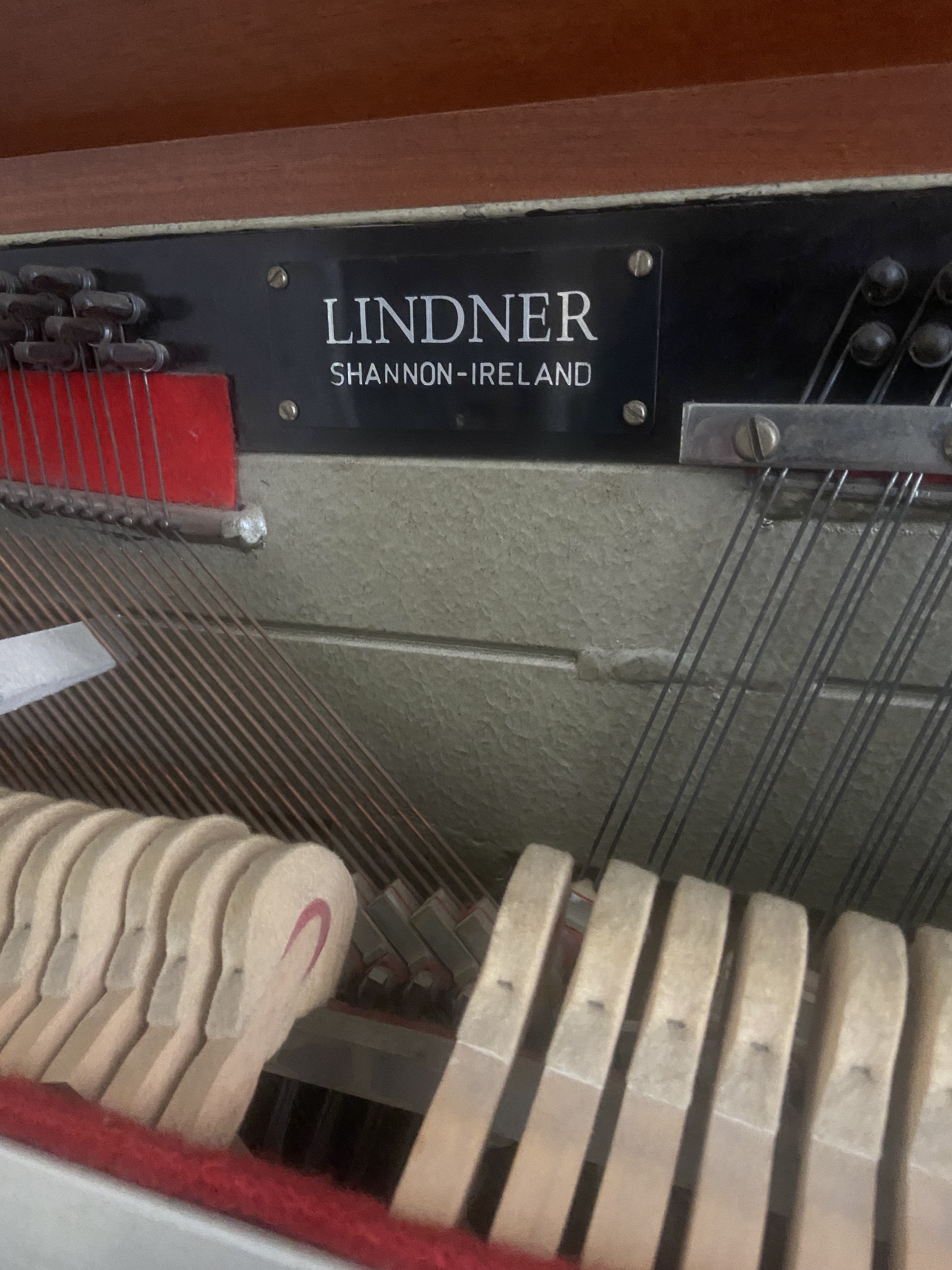
Ireland’s greatest soft power is the Arts. Books and websites list far better than I can the unmatched legacy of Irish acts on the global stage and at home on our island. What we are also known for is providing the world with the worst piano the trade has ever seen. How did it come to this?
In the 1950s Ireland was black and white. A newly formed State seeking its own identity in the world. In particular the west of Ireland, barren from decades of emigration and lack of investment, required an injection of hope. Shannon, identified for its potential trade links, shipping routes and readied land was an ideal location for a ‘special economic zone’ championed by Taoiseach Sean Lemass. This plan encouraged foreign direct investment into Ireland, its benefits obvious to the economy of the country, and thus began a legacy which would haunt piano tuners for decades to come.
Introducing Lindner – the cheapest made piano of their time. The Lindner line of pianos were not so much made in Shannon, as in assembled in Shannon. Assembled by men and women in need of work. Much like the tuners who work on these Lindner pianos in the field now, no criticism is aimed at the people of Shannon earning a living in the 50’s.
The piano parts, primarily plastic, were shipped in from Europe originating in the Netherlands, docking on the River Shannon and transported locally to an assembly plant where workers would begin creating upright acoustic pianos in Ireland. Often, the front panels would then be rebadged, branded under the name of local stores licensed to sell these instruments. The most recent Lindner I tuned outwardly was sold as a Piggot piano.
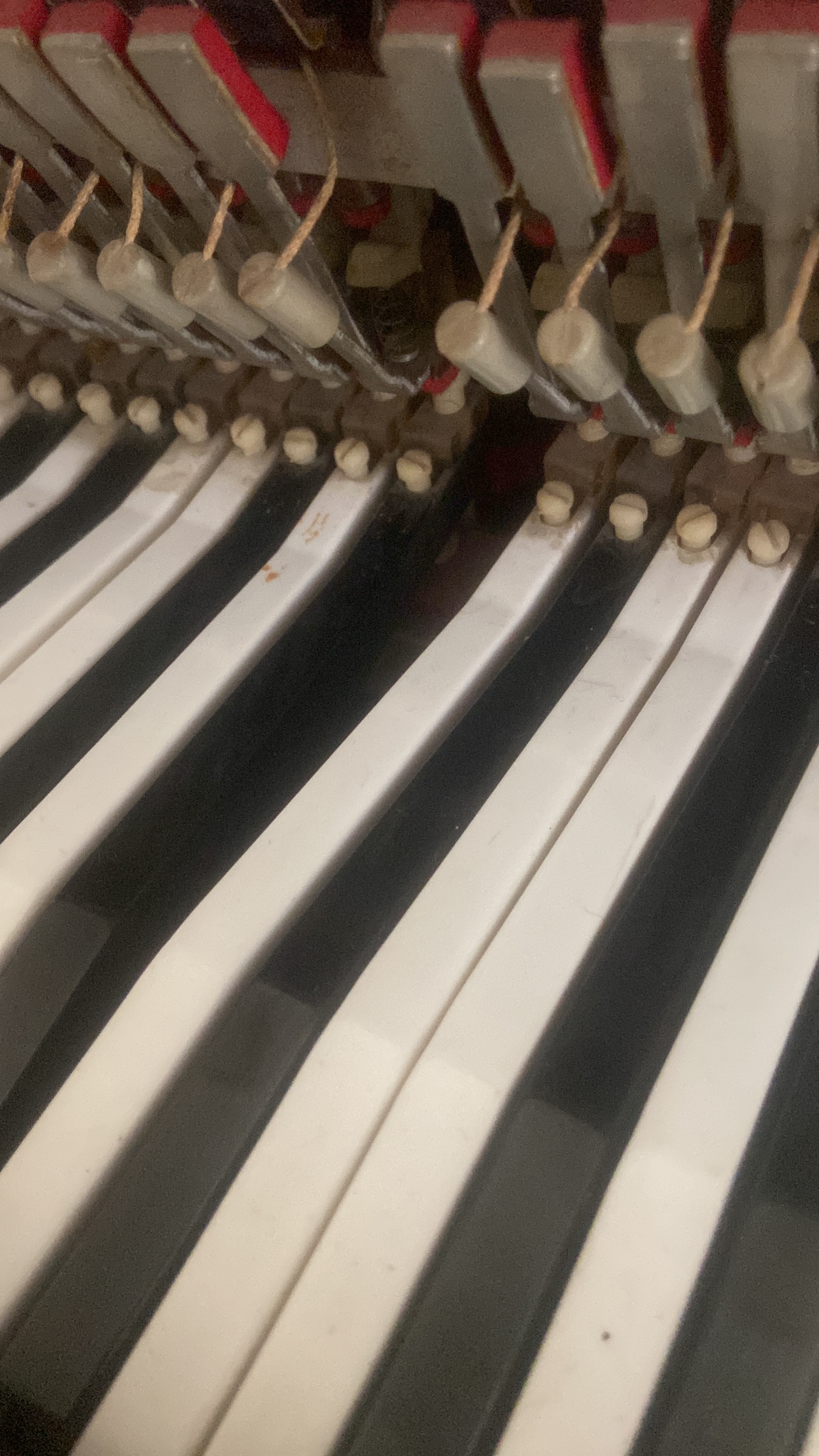
The primary criticism of these pianos is the cheapness of the materials. Almost all parts are plastic, including the keys. This presents two primary problems. One – a poor tone and touch quality for the pianist and two — the readiness of spare parts in the event something should break over the decades of use a piano receives.
On a recent tuning of a Lindner I noticed a previous tuner, a generation before mine, had skilfully reglued a plastic Lindner key, and had the note back working for the customer.
A significant stage in piano maintenance is Regulation. In a sentence, it is a complex multistep process which ensures each moving part is the correct distance from its corresponding part to allow the accurate playing of the piano. When you deal with a Lindner this is impossible. Move a screw left, another needs to be adjusted, and so on. Don’t try. You’ll never win.
In the main, Lemass’ economic zone transformed Ireland into the modern country it is today. The foreign direct investment we experience now comes through tech companies, high wage earners with their disposable income being spent on Yamaha, Bechstein and Steinway pianos. The Lindner piano is slowly being phased out having served it purpose. Perhaps not any musical purpose, but a unique legacy in its own right.
 Gary Woods Piano Tuning